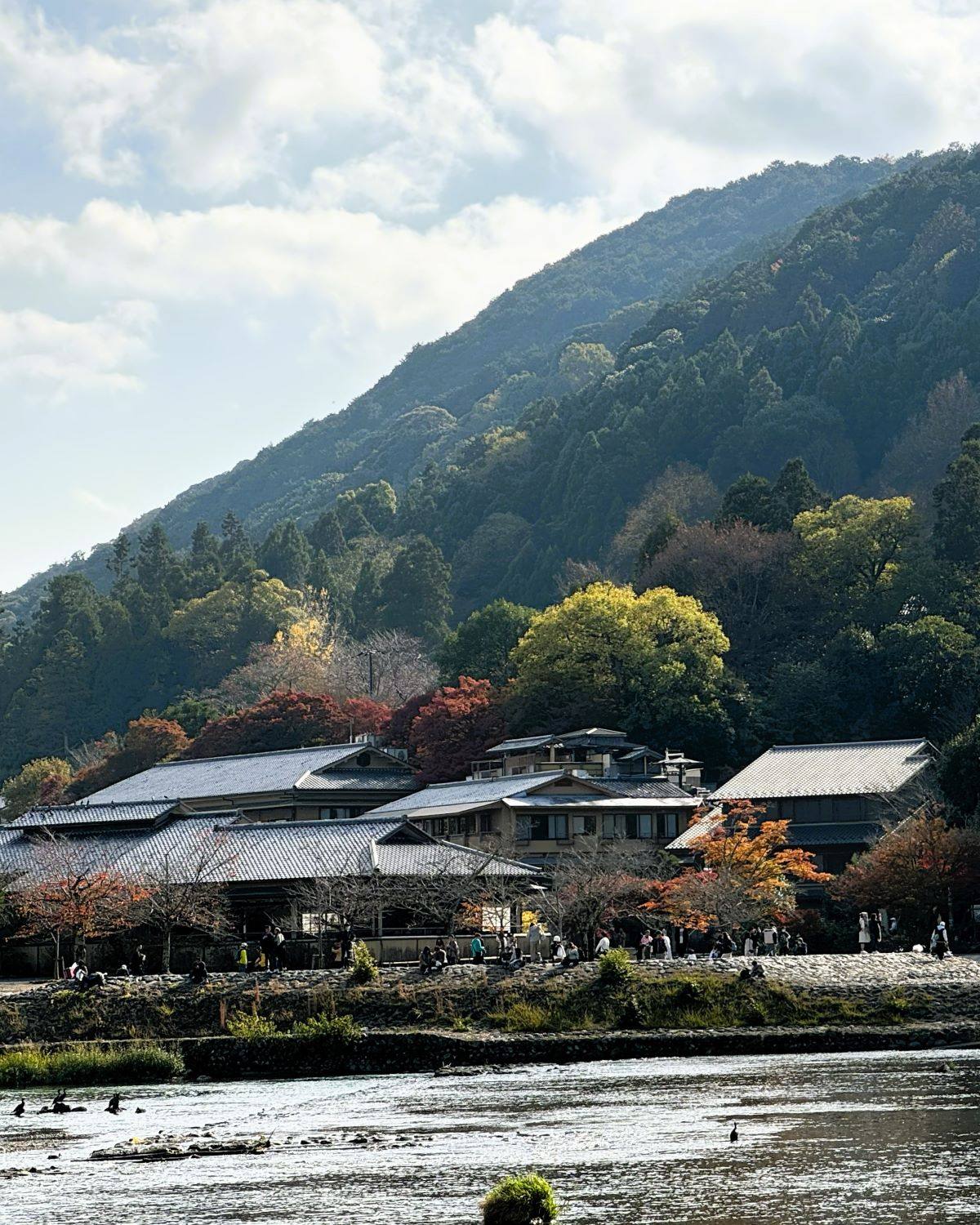
Japan / Kyoto
Kyoto
Plan a Kyoto trip by grouping temples, historic districts, and food stops by area, then choose the right stay length and neighborhood for your travel style.
Destination overview
What to expect
Kyoto offers a distinct visual contrast to Tokyo and Osaka. Preserved historic districts like Gion and Higashiyama feature low-rise wooden machiya townhouses, narrow stone lanes, and lantern-lit alleyways. Yet outside these historic pockets, Kyoto operates as a sprawling modern municipality powered by grid streets, subways, and extensive local bus networks.
Major attractions lie along the city perimeter—Fushimi Inari in the south, Arashiyama in the west, and Kiyomizu-dera in the east. Expect significant walking over stone paving and incline steps. Peak morning and late afternoon hours at famous sights bring heavy foot traffic. Early starts before 8:00 AM unlock quiet moments at un-gated shrines and temples, while evenings reveal peaceful side streets and traditional riverside dining along Pontocho Alley.
How many days to spend
Recommended stay: 3 to 4 days
- 2 days: Focus on core highlights by splitting the city east and west. Day one covers Fushimi Inari and Southern Higashiyama; day two handles Arashiyama and Northern Kyoto. Main compromise: High daily travel pace with minimal time for unscheduled exploration or traditional tea houses.
- 3 to 4 days: Covers major UNESCO sites, central food markets, and evening walks in historic districts without severe transit fatigue. Allows early-morning site visits paired with mid-day breaks or neighbourhood walks along the Philosopher's Path.
- 5 or more days: Adds outer northern temples, rural hiking in Kurama-Kibune, and day trips to Nara, Uji, or Osaka.
Best areas to stay
Kyoto Station
Best for: Early transit departures and straightforward regional day trips
The transport hub south of central Kyoto offers modern high-rise hotels, luggage services, and direct access to Shinkansen, JR local lines, and city bus terminals. Ideal if arriving late with heavy luggage or making daily train trips to Nara, Fushimi Inari, or Osaka.
Trade-off: Lacks historic character and requires a 10-minute subway ride to reach central night spots.
Downtown Kyoto (Kawaramachi & Shijo)
Best for: First-time visitors wanting central dining and easy transit access
Downtown sits along the western side of the Kamo River. It places you within walking distance of department stores, Nishiki Market, and Pontocho Alley. Subway lines and Hankyu rail connections provide direct access to Arashiyama and Osaka.
Trade-off: Modern commercial environment with less historic atmosphere right outside your door.
Gion and Southern Higashiyama
Best for: Historic atmosphere, traditional architecture, and early site access
Located east of the river, this area features preserved wooden machiya, stone lanes, and proximity to Kiyomizu-dera and Yasaka Shrine. Staying here lets you stroll historic streets early in the morning or late at night after day-tripping crowds leave.
Trade-off: Premium room rates, narrower sidewalks, and fewer direct subway connections.
Arashiyama
Best for: Scenery, quieter evenings, and a slower stay
Arashiyama suits travelers who want to explore the western district before day-trip crowds arrive and enjoy a calmer evening. It works especially well as a short change of pace. The trade-off is longer travel to central and eastern Kyoto sights.
Recommendations
Essential first-time guides and itineraries
These articles and sample routes help first-time visitors organize daily sight groupings, select timing for popular landmarks, and balance iconic temples with local food neighborhoods.
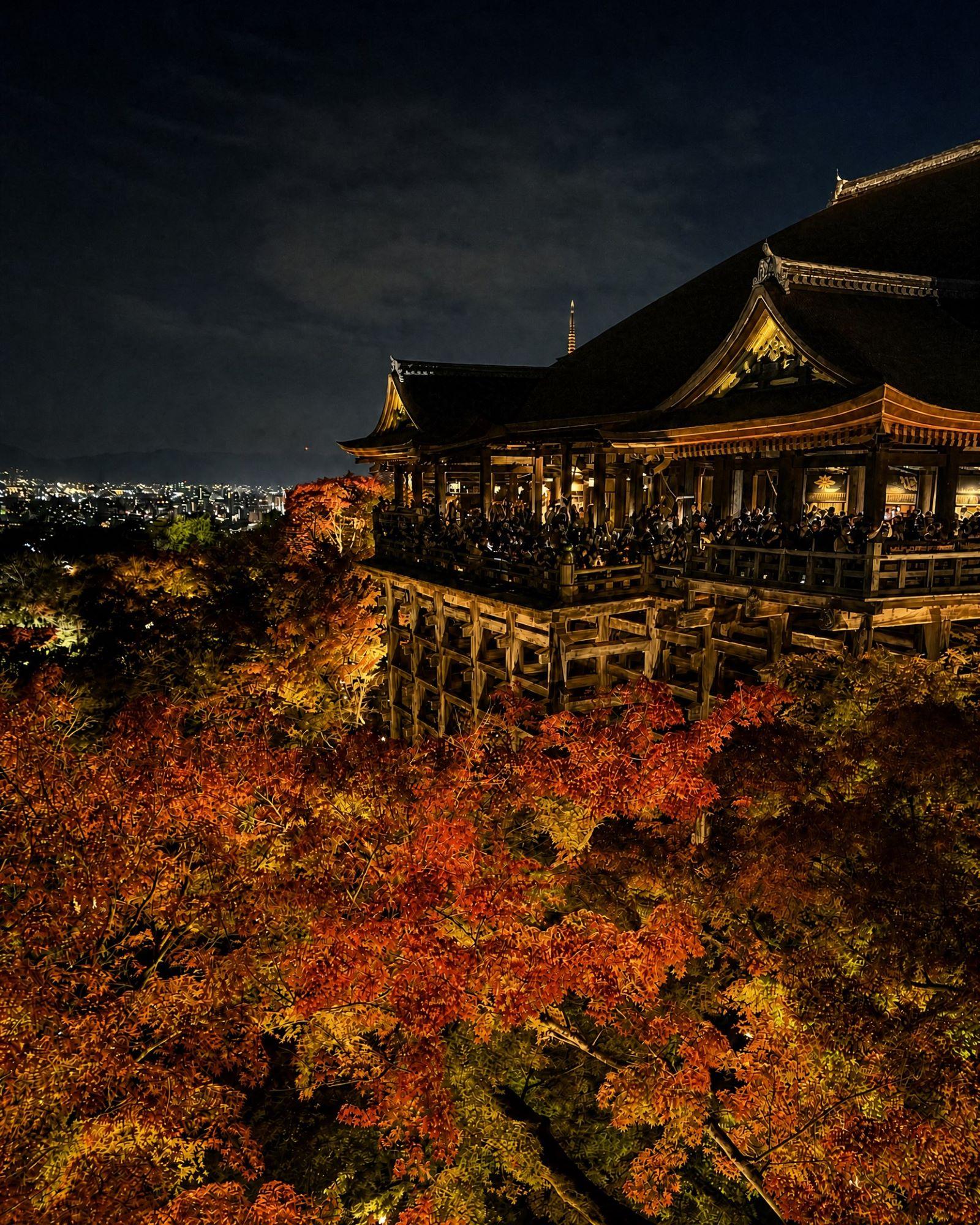
Trip itinerary / Osaka & Kyoto / 6 days
6-Day Osaka and Kyoto Autumn Itinerary
Balance peak autumn foliage with Universal Studios Japan using a strategic three-hotel rail route that eliminates early-morning cross-city transit between Osaka and Kyoto.
Open itinerary →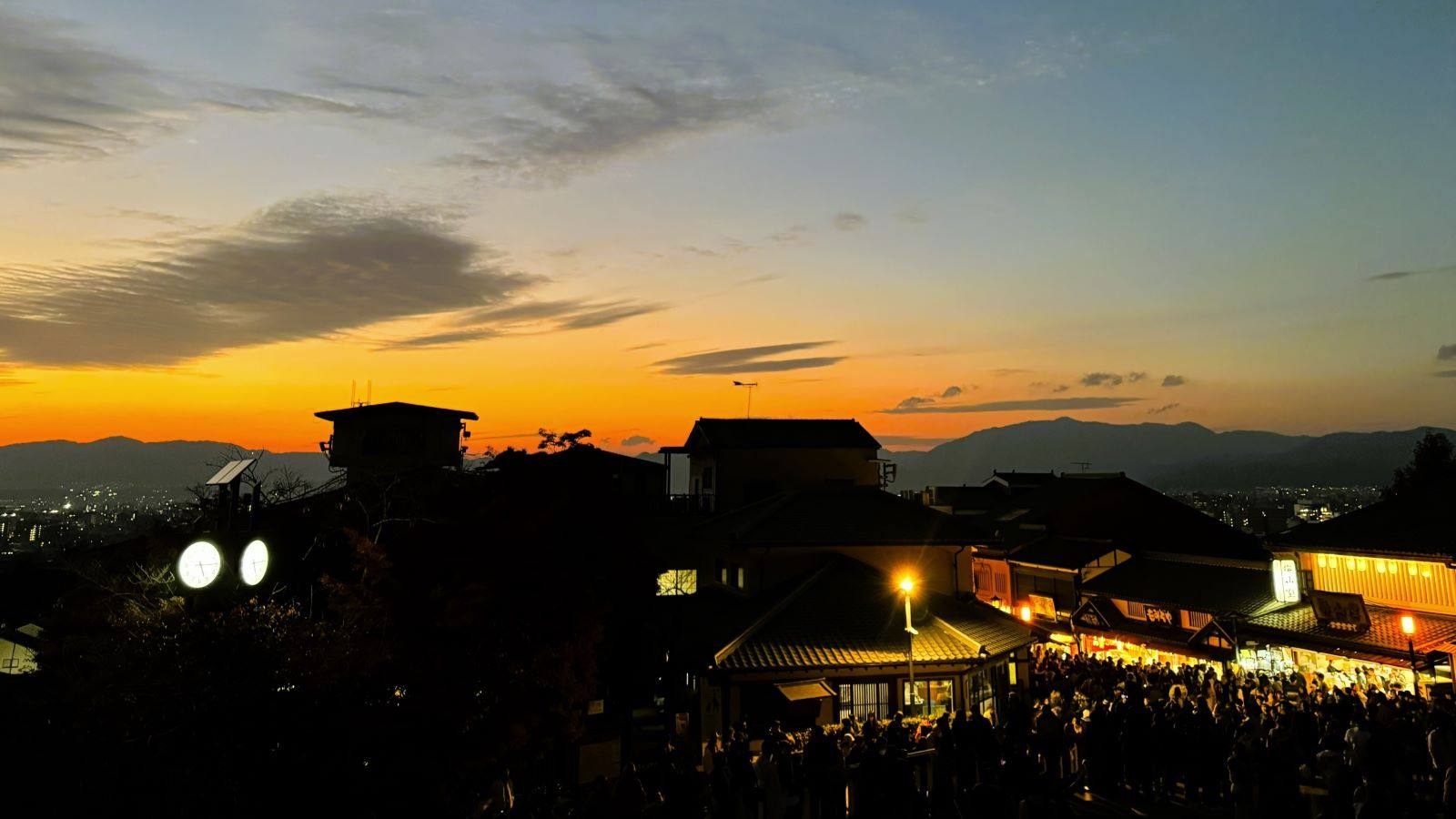
Attraction recommendation / Kyoto / 6 min
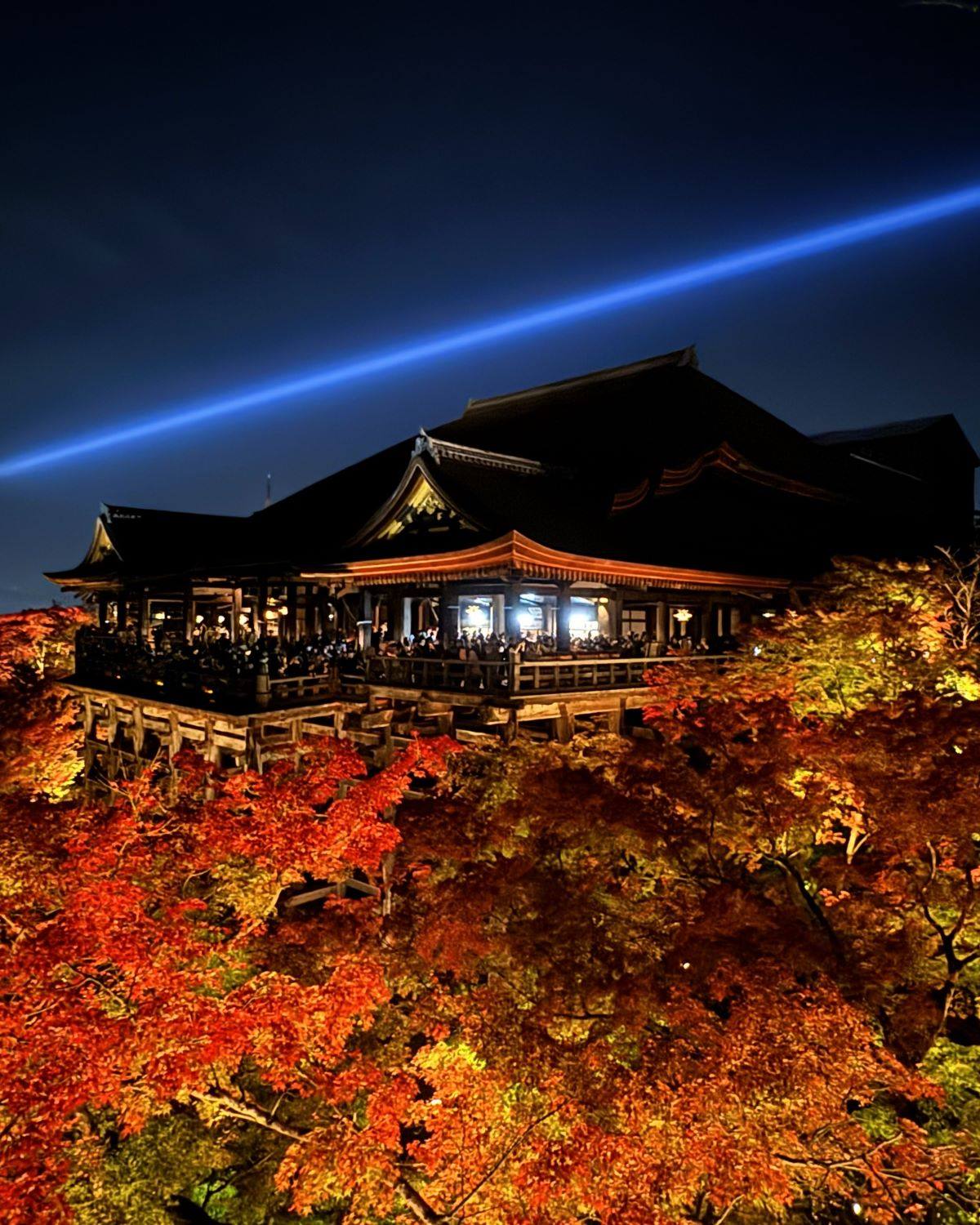
Kiyomizu-dera Autumn Night Illumination
Evaluate whether Kiyomizu-dera's autumn night illumination fits your Kyoto trip, with crowd timing, ticket gate logistics, and photo stage navigation strategy from a November visit.
Read recommendation →City guides
Neighborhood routes and walking itineraries
Use these detailed walking routes to explore specific districts like Higashiyama, Gion, and Arashiyama on foot without back-tracking across the city.