
China / Shanghai
Shanghai, decoded.
Independent recommendations, practical city routes, and travel advice for planning a trip to Shanghai.
Destination overview
What to expect
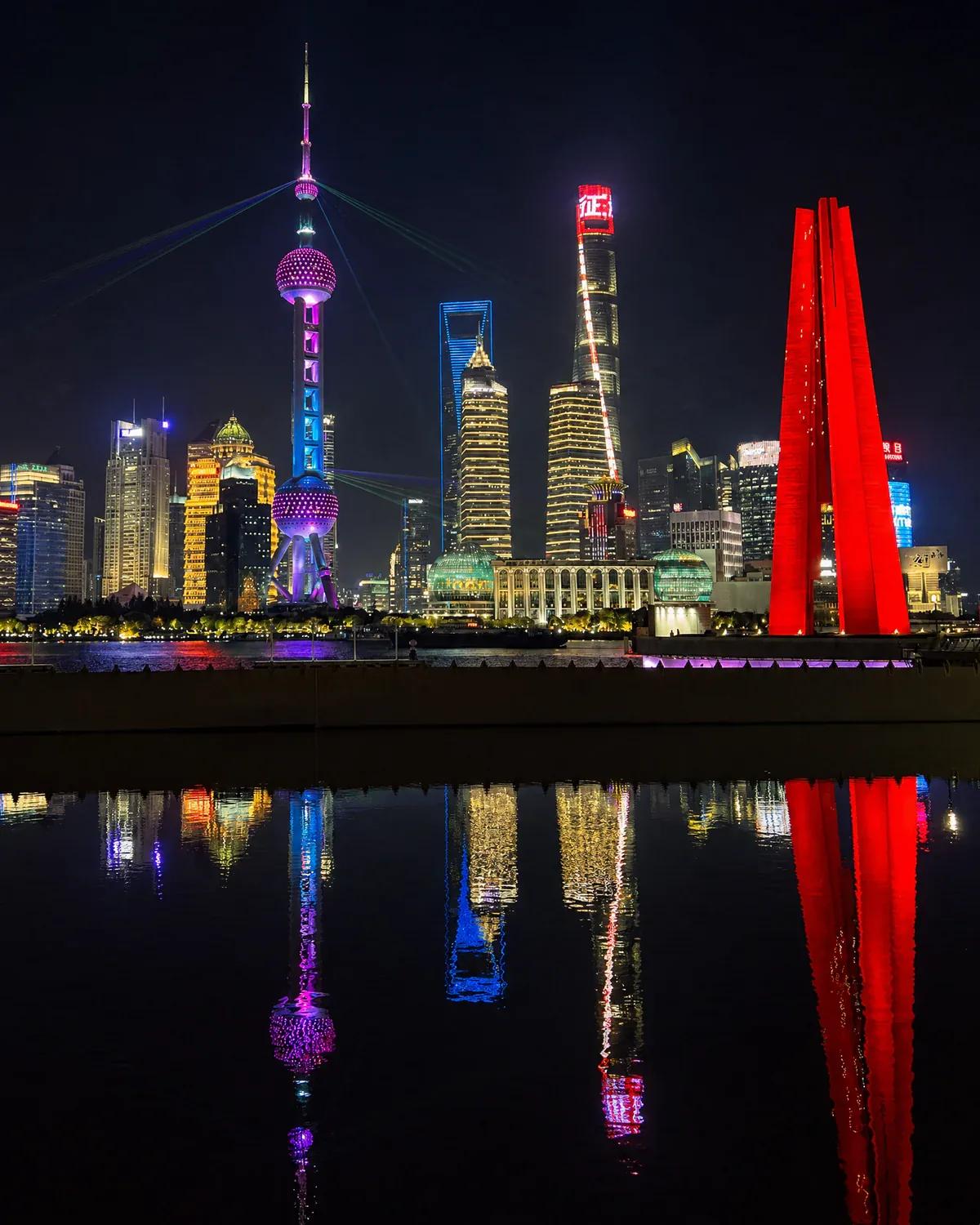
Shanghai combines historic lane houses, landscaped concessions-era streets, dense shopping corridors, traditional neighborhoods, and one of Asia's most recognizable modern skylines. The contrast is central to the experience: a morning can begin among older residential streets and end across the river beneath the towers of Pudong.
The city is large but many central districts connect well by metro and on foot. Visitors should still group plans geographically, especially when crossing the Huangpu River or moving between the Bund, the former French Concession, and western commercial districts. Shanghai suits travelers who enjoy architecture, food, design, and urban walks; a slower schedule leaves more room for the lanes and everyday street scenes that give the city depth.
How many days to spend
Recommended stay: 3 to 4 days
- 2 days: Enough for the Bund, one central historic or shopping area, and Pudong views, but leaves little time for slower neighborhood exploration.
- 3 to 4 days: Supports a balanced first visit across the riverfront, historic streets, contemporary districts, food, and an unhurried evening.
- 5 or more days: Useful for museums, deeper neighborhood walks, quieter outer districts, or a day trip beyond central Shanghai.
Best areas to stay
People's Square and Nanjing Road
Best for: First visits, central sightseeing, and broad transport access
This central area places shopping, museums, and routes toward the Bund within easy reach. It suits travelers who want a practical introduction and active streets outside the hotel. The trade-off is a commercial feel and substantial crowds around the main pedestrian corridors.
Former French Concession
Best for: Cafés, tree-lined walks, and neighborhood atmosphere
The former French Concession appeals to travelers who prefer smaller streets, cafés, restaurants, and architecture over a major tourist hub. It offers a more residential rhythm. Stations and sights are spread across a wide area, so the exact hotel location matters more than the district name alone.
Jing'an
Best for: Dining, modern hotels, and central-west convenience
Jing'an combines modern accommodation, shopping, restaurants, and useful transport links in a polished urban setting. It is a flexible base for travelers balancing sightseeing and evenings out. The trade-off is less immediate access to the Bund and riverfront skyline.
Lujiazui
Best for: Skyline views and modern Pudong stays
Lujiazui puts high-rise architecture, river views, and large modern hotels close at hand. It suits travelers prioritizing the Pudong skyline or business access. The area can feel quieter at street level, and many historic neighborhoods require crossing to the west side of the river.