
Japan / Kyushu
Kyushu
Plan a Kyushu trip around Fukuoka, hot-spring towns, and regional routes, with guidance on trip length, transport, and practical places to stay.
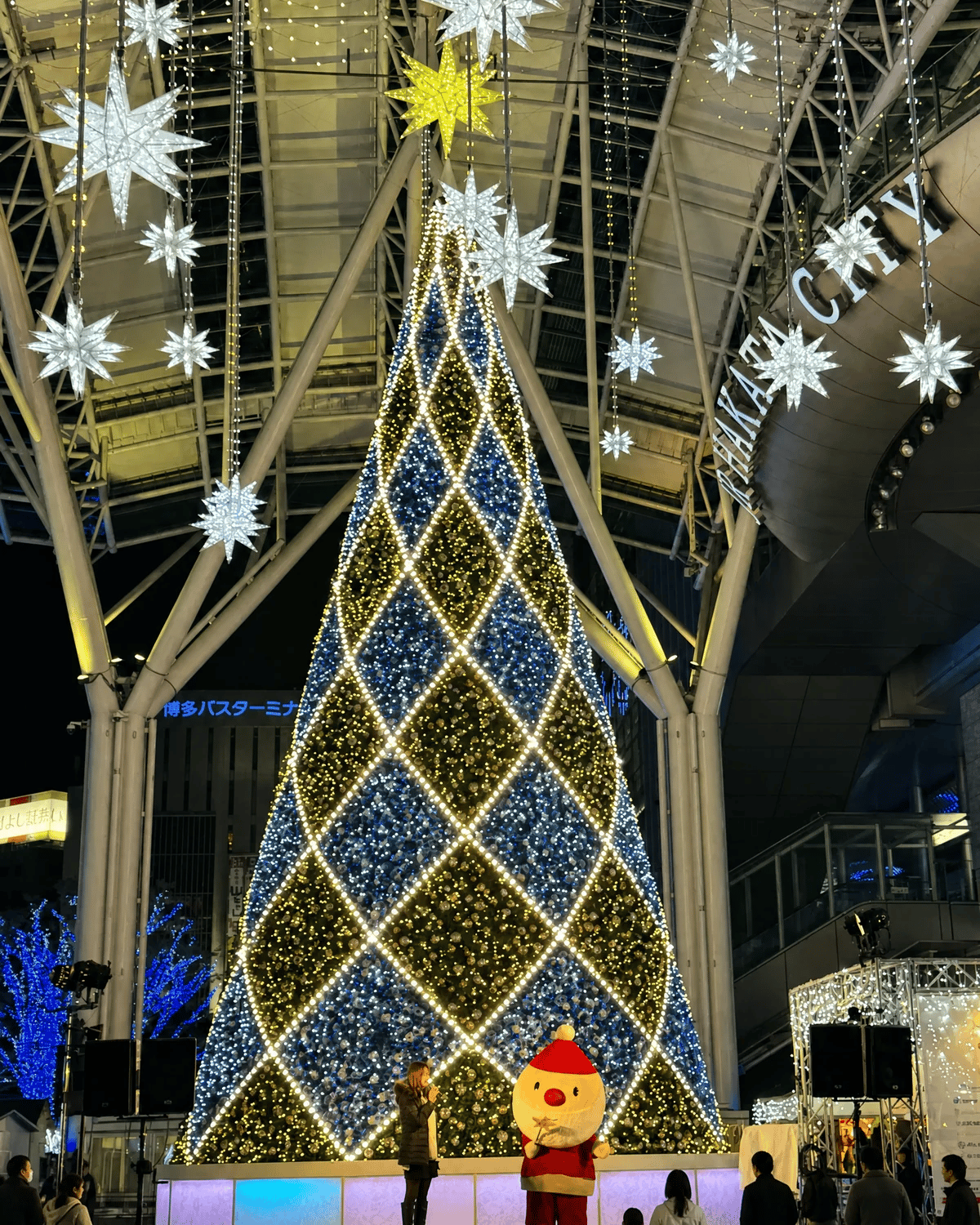
Destination overview
What to expect
Kyushu blends active volcanic landscapes, coastal vistas, and distinct regional food traditions across seven southern prefectures. Northern entry points like Fukuoka act as energetic urban transit hubs renowned for open-air yatai food stalls and rapid subway connections to Hakata Station. Further south, the island transitions into dramatic natural terrain, featuring active volcanic peaks around Mount Aso, thermal hot spring valleys in Yufuin and Beppu, and historic coastal stops like Kagoshima overlooking Sakurajima.
Navigating the region relies heavily on the JR Kyushu rail network, including localized limited express trains and the Kyushu Shinkansen line connecting Hakata to Kagoshima-Chuo. While major rail corridors make city transfers smooth, reaching interior mountain valleys or rural onsen villages often requires coordinating limited regional buses or opting for car rentals. Kyushu balances urban convenience with rural depth, making it ideal for travelers looking to combine hot spring culture with scenic rail journeys.
How many days to spend
Recommended stay: 5 to 7 days
- 3 to 4 days: Focus strictly on Northern Kyushu. Base in Fukuoka, visit historic Dazaifu or Itoshima, and take an overnight trip to Yufuin or Beppu.
- 5 to 7 days: Route south through central Kyushu. Add Kumamoto, Mount Aso, and an overnight stay in a thermal hot spring town alongside Fukuoka.
- 8 or more days: Complete a full loop down to Kagoshima and Sakurajima, or venture onto coastal routes like Takachiho Gorge and the southern Nichinan coast.
Best areas to stay
Hakata, Fukuoka
Best for: first-time arrival and rail transfers
Hakata surrounds Fukuoka's primary railway station and offers immediate access to the Shinkansen, airport subway, and regional bus terminals. The area features numerous business hotels, modern shopping complexes, and walkable dining options. While it lacks historic architecture, its unmatched transit connections make it the most efficient hub for day trips across Northern Kyushu.
Yufuin, Oita
Best for: hot spring ryokan stays and alpine scenery
Set in a picturesque valley beneath Mount Yufu, this hot spring town centers around small boutique ryokan, walking paths, and thermal baths. The main pedestrian street gets busy with day-trippers in the afternoon, but evenings are quiet and relaxed. Staying here requires booking accommodation early and relies on specific JR limited express rail schedules.
Kumamoto Central
Best for: central access to Mount Aso and historic transit
Positioned in western Kyushu, Kumamoto serves as a practical midpoint between Hakata and the southern prefectures. The downtown area near Karashima-cho features lively shopping arcades, easy tram routes to Kumamoto Castle, and direct road and rail links eastward toward the Aso caldera. It provides a more grounded urban alternative to Fukuoka.
Kagoshima Chuo
Best for: southern coastal exploration and island trips
Located at the southern terminus of the Kyushu Shinkansen, this district offers direct views across the bay to active volcano Sakurajima. The area around the station is modern and easy to navigate with local streetcars, serving as the gateway to southern seaside scenic routes, ferry terminals, and regional black pork dining spots.
Recommendations
Essential regional guides and highlight planning
These featured planning pieces help you choose key stops across Northern and Southern Kyushu, balance scenic transport routes, and structure your first regional trip effectively.
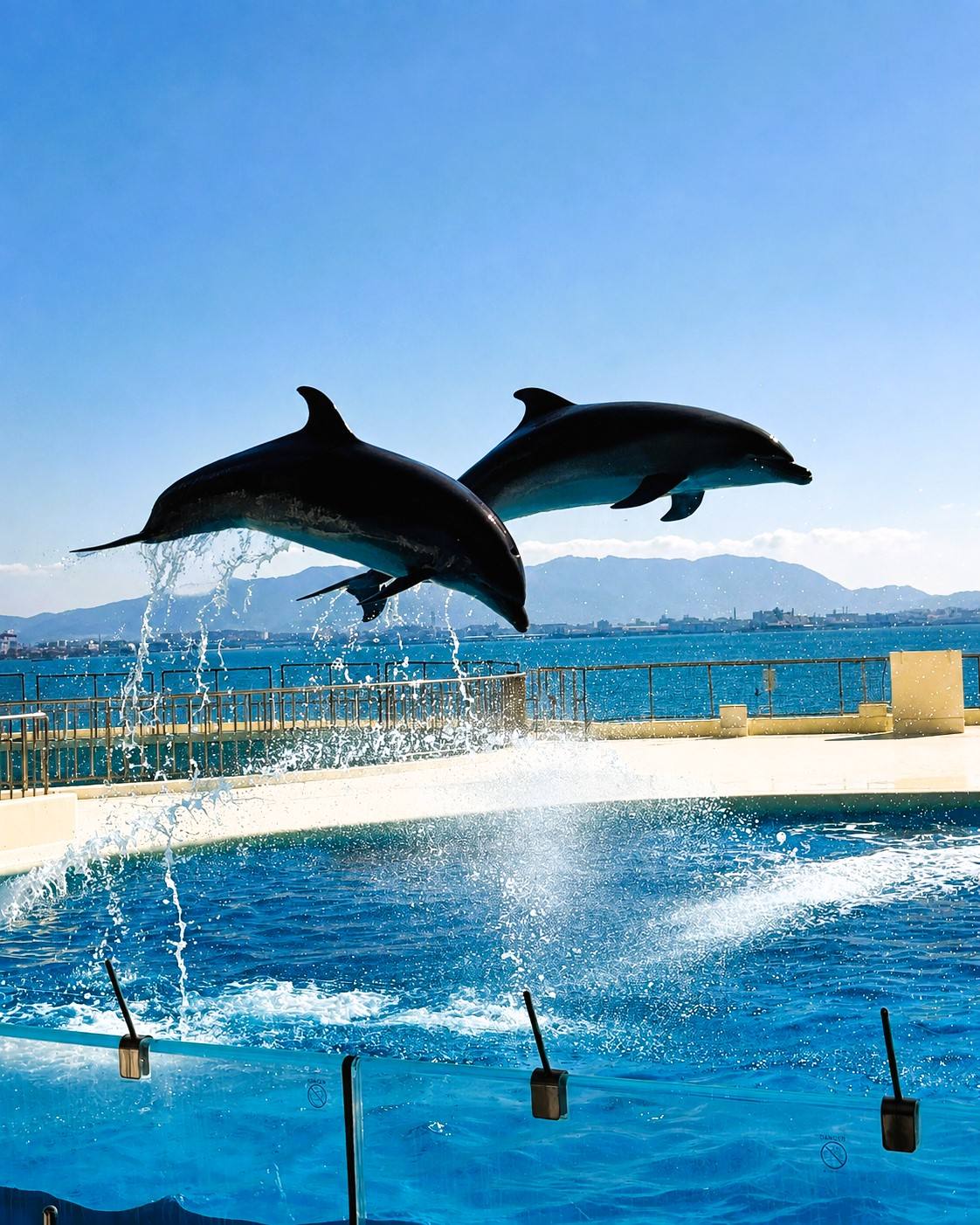
Trip itinerary / Kyushu / 7 days
7-Day Kyushu Family Self-Drive Itinerary
Follow a practical seven-day family road trip from Fukuoka through Yufuin and Beppu, combining kid-friendly attractions, regional food, and manageable driving days.
Open itinerary →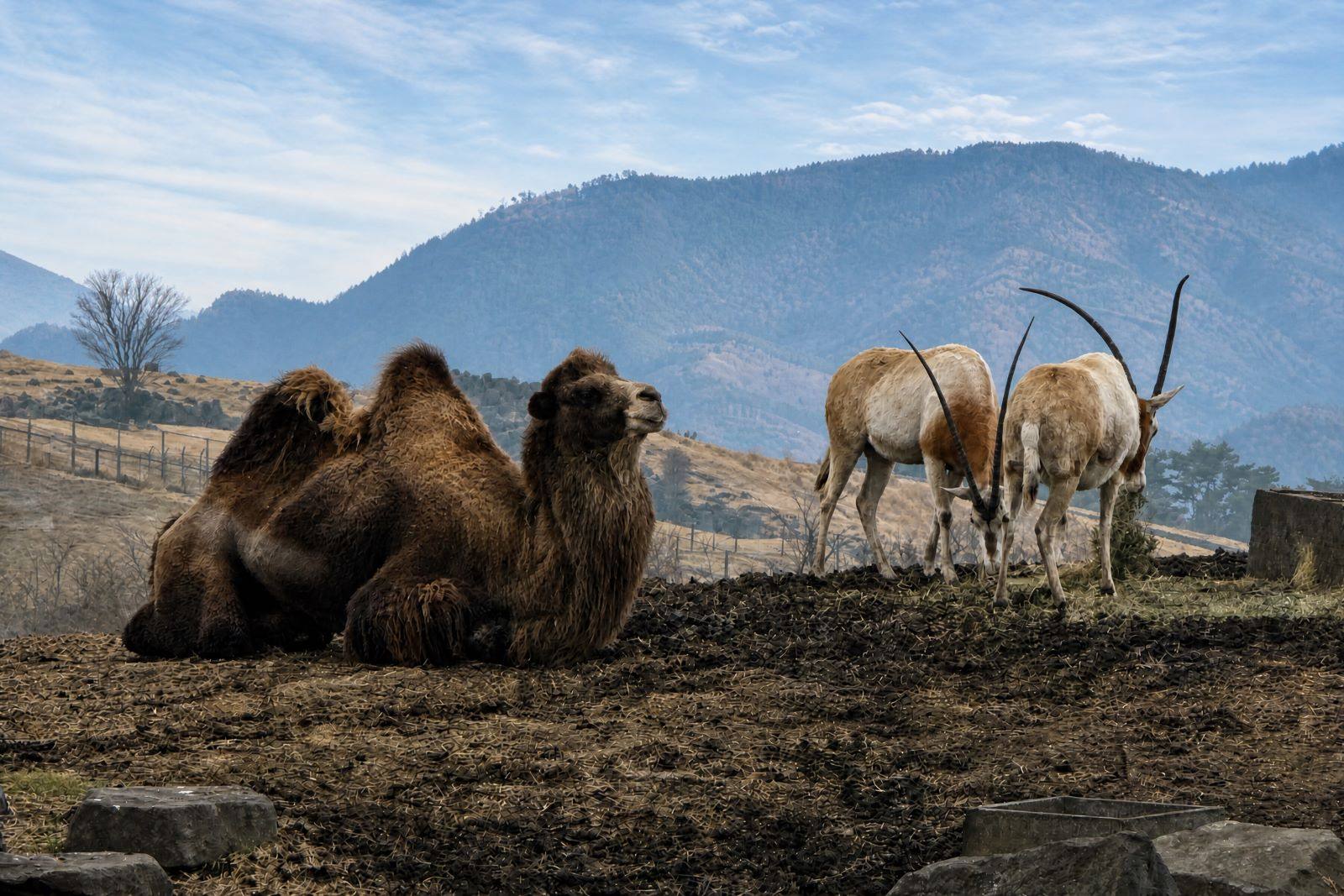
Attraction guide / Oita / 7 min
Kyushu Wildlife Park: Self-Drive or Jungle Bus?
Discover practical self-drive tips, morning Jungle Bus strategies, ticket rules, and dining choices to plan an engaging day trip to Kyushu Wildlife Park with kids.
Read recommendation →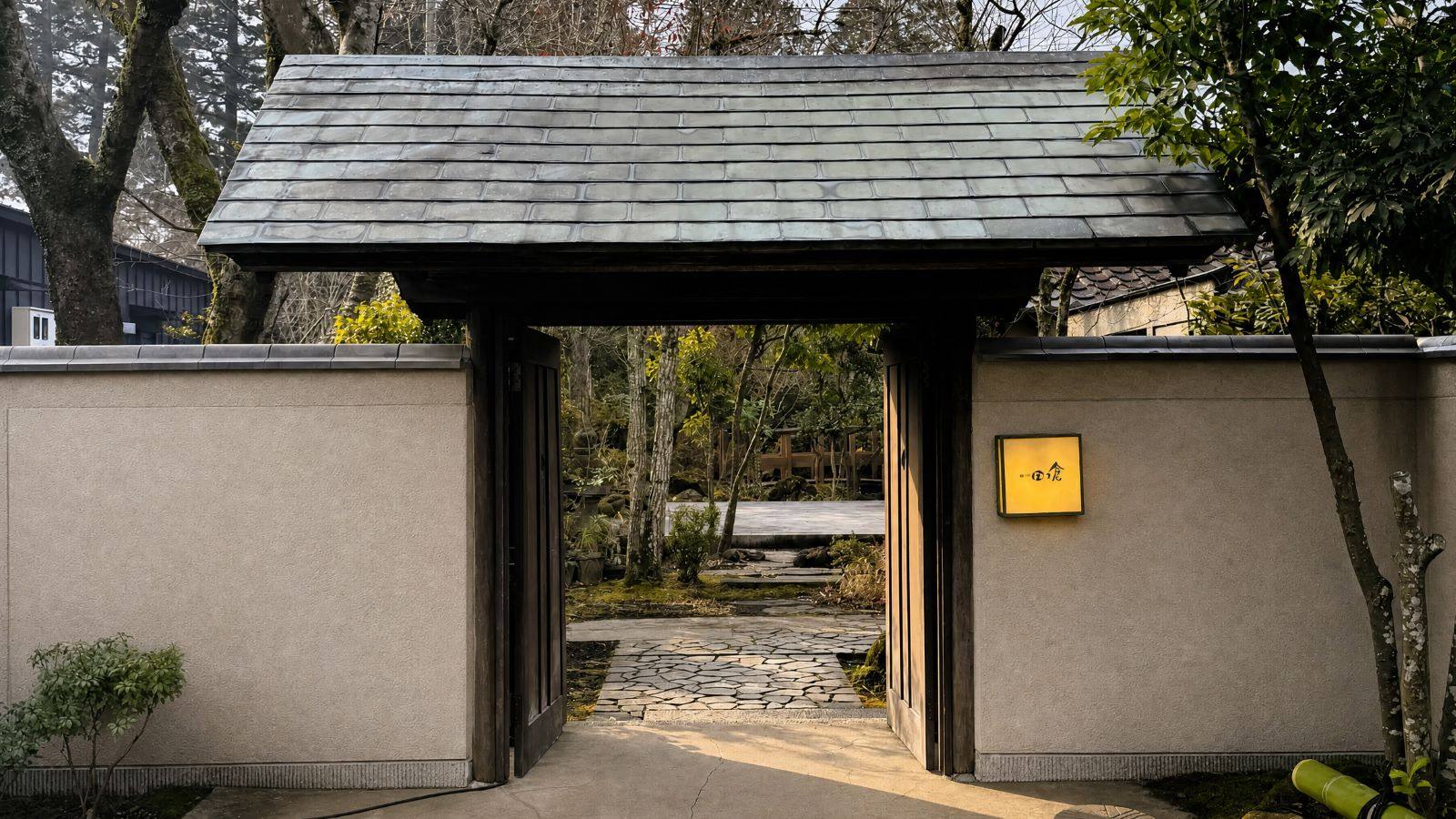
Stay recommendation / Yufuin / 6 min
Ryokan Tanokura Yufuin for Family Onsen Stays
Discover whether this Yufuin ryokan delivers enough space, private baths, in-room dining, and easy lake access for families traveling together.
Read recommendation →
Attraction recommendation / Fukuoka / 6 min
teamLab Forest Fukuoka: A Hands-On Family Guide for Kids
Plan an interactive family visit to teamLab Forest Fukuoka, where kids catch digital animals, scan custom drawings onto glowing walls, and play among oversized glowing spheres.
Read recommendation →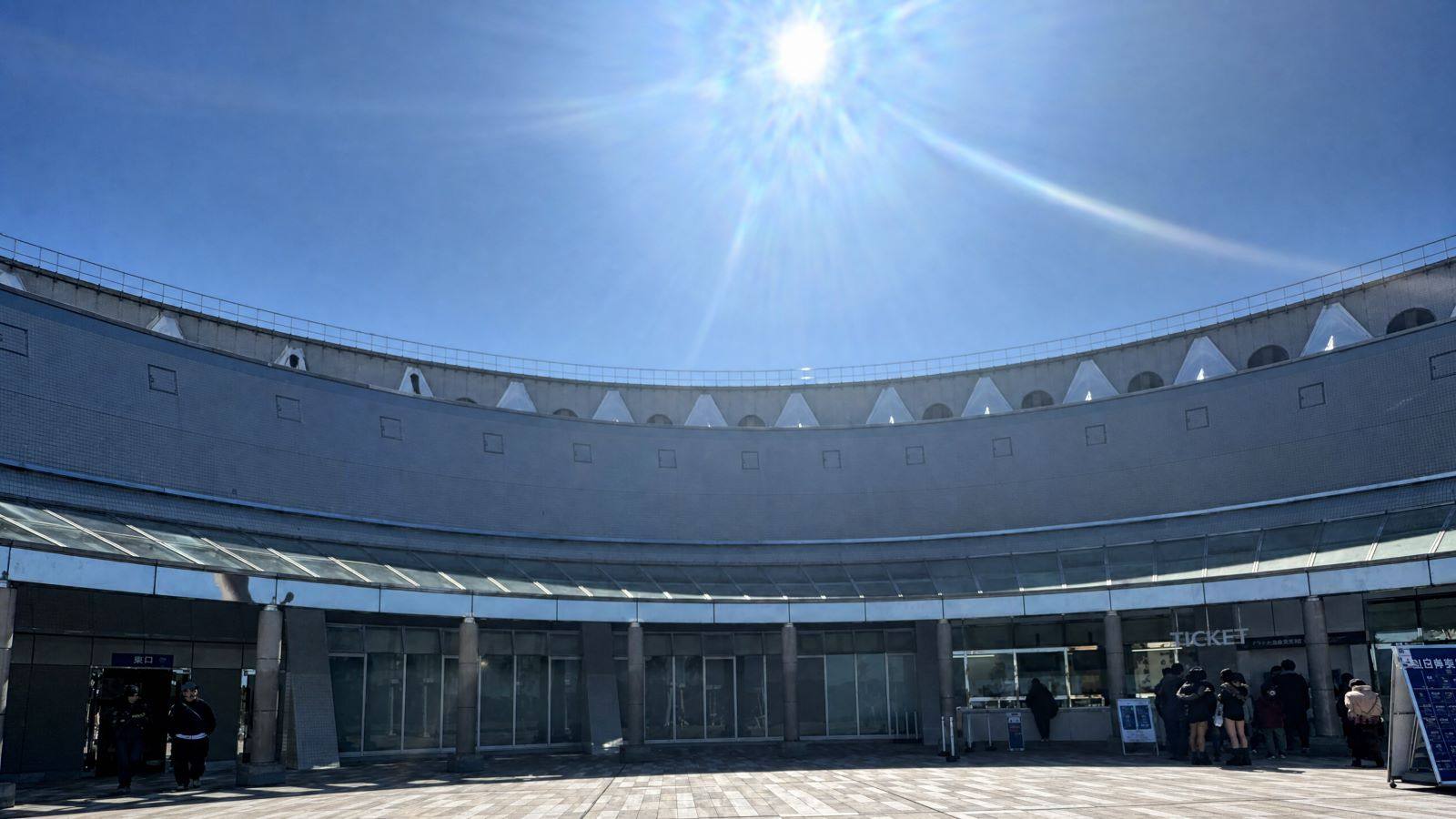
Attraction recommendation / Fukuoka/ 7 min
Is Marine World Uminonakamichi Worth Visiting?
Evaluate whether Marine World Uminonakamichi fits your Fukuoka itinerary, with practical advice on transportation, show seating strategies, ticket buying, and route planning for families.
Read recommendation →